Book Appointment Now

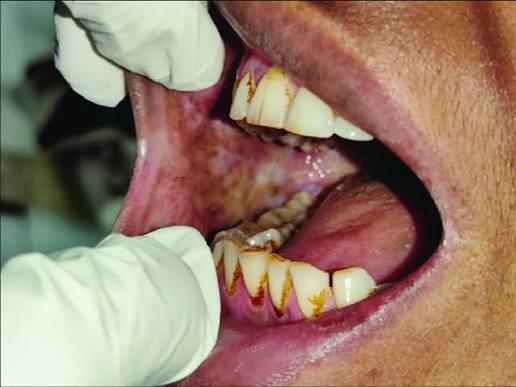
Reduced Mouth Opening (Oral Submucous Fibrosis – OSMF): Causes, Symptoms and Treatment
Difficulty opening the mouth is a common problem seen in many dental patients. One of the most important causes of reduced mouth opening in India is Oral Submucous Fibrosis (OSMF). This condition affects the soft tissues inside the mouth and can gradually make it difficult to eat, speak, or maintain proper oral hygiene.
Early diagnosis and treatment are essential to prevent progression and improve quality of life.
What is Oral Submucous Fibrosis?
Oral Submucous Fibrosis is a chronic and progressive condition in which the lining of the mouth becomes stiff due to the formation of fibrous tissue. This fibrosis restricts the elasticity of the oral mucosa, leading to reduced mouth opening over time.
The condition mainly affects:
• Inner lining of the cheeks
• Lips
• Soft palate
• Tongue mobility
As the disease progresses, patients may experience increasing difficulty in opening the mouth fully.
Causes of Oral Submucous Fibrosis
The most common cause of OSMF is chewing areca nut (supari) in different forms.
Products commonly associated with the condition include:
• Gutkha
• Pan masala
• Betel nut preparations
• Supari mixtures
These substances stimulate excessive collagen production in oral tissues, which eventually leads to fibrosis.
Other contributing factors may include:
• Nutritional deficiencies
• Chronic irritation of the oral mucosa
• Genetic susceptibility
• Consumption of extremely spicy food
Symptoms of OSMF
Patients suffering from Oral Submucous Fibrosis may experience several symptoms, including:
• Burning sensation while eating spicy food
• Stiffness in the cheeks
• Difficulty opening the mouth
• Ulcers or dryness in the mouth
• Reduced tongue movement
• Difficulty eating and speaking
The most noticeable symptom is progressive reduction in mouth opening, also known as trismus.
Diagnosis
Diagnosis of reduced mouth opening is usually made through a clinical examination by a dentist. This may include:
• Measuring mouth opening (interincisal distance)
• Checking for fibrous bands inside the cheeks
• Evaluating oral mucosal changes
In some cases, further investigations such as a biopsy may be recommended to confirm the diagnosis.
Treatment Options for Reduced Mouth Opening
Treatment depends on the severity and stage of the disease. Early intervention can significantly improve results.
Habit Cessation
The most important step in treatment is stopping the habit of chewing gutkha, pan masala, or supari. Continuing these habits can worsen the condition and reduce the effectiveness of treatment.
Medical Management
Certain medications and nutritional supplements help improve oral tissue health and reduce fibrosis.
These may include:
• Lycopene
• Vitamin E
• Pentoxifylline
These antioxidants help improve circulation and reduce oxidative stress in oral tissues.
Intralesional Injections
For moderate stages of the disease, injections may be administered directly into the fibrous bands in the oral mucosa.
Common medications used include:
• Dexamethasone
• Hyaluronidase
These injections help reduce inflammation and soften fibrotic tissues, gradually improving mouth opening.
Physiotherapy and Mouth Opening Exercises
Regular exercises play an important role in improving mouth opening.
Patients may be advised:
• Mouth stretching exercises
• Jaw mobility exercises
• Use of ice-cream sticks or mouth opening devices
Consistent physiotherapy helps maintain flexibility of the oral tissues.
Surgical Treatment
In severe cases where mouth opening becomes extremely limited, surgical treatment may be required. This procedure involves releasing the fibrous bands and reconstructing the affected area using tissues such as the Buccal Fat Pad.
Post-operative physiotherapy is essential to maintain the improvement achieved through surgery.
Importance of Early Treatment
If untreated, Oral Submucous Fibrosis may worsen over time and can increase the risk of oral cancer. Early diagnosis and appropriate management significantly improve treatment outcomes.
When Should You See a Dentist?
You should consult a dentist if you notice:
• Difficulty opening your mouth fully
• Burning sensation while eating spicy food
• Tightness or stiffness in the cheeks
• History of gutkha or supari chewing
Early evaluation can help prevent progression and preserve normal mouth function.
Treatment for Reduced Mouth Opening in Nagpur
At Pearly White Dental and Implant Clinic, we provide diagnosis and advanced treatment options for reduced mouth opening and Oral Submucous Fibrosis, including medical management, intralesional therapy, and guided physiotherapy.
If you are experiencing symptoms of restricted mouth opening, schedule a consultation to receive personalized treatment and guidance.